
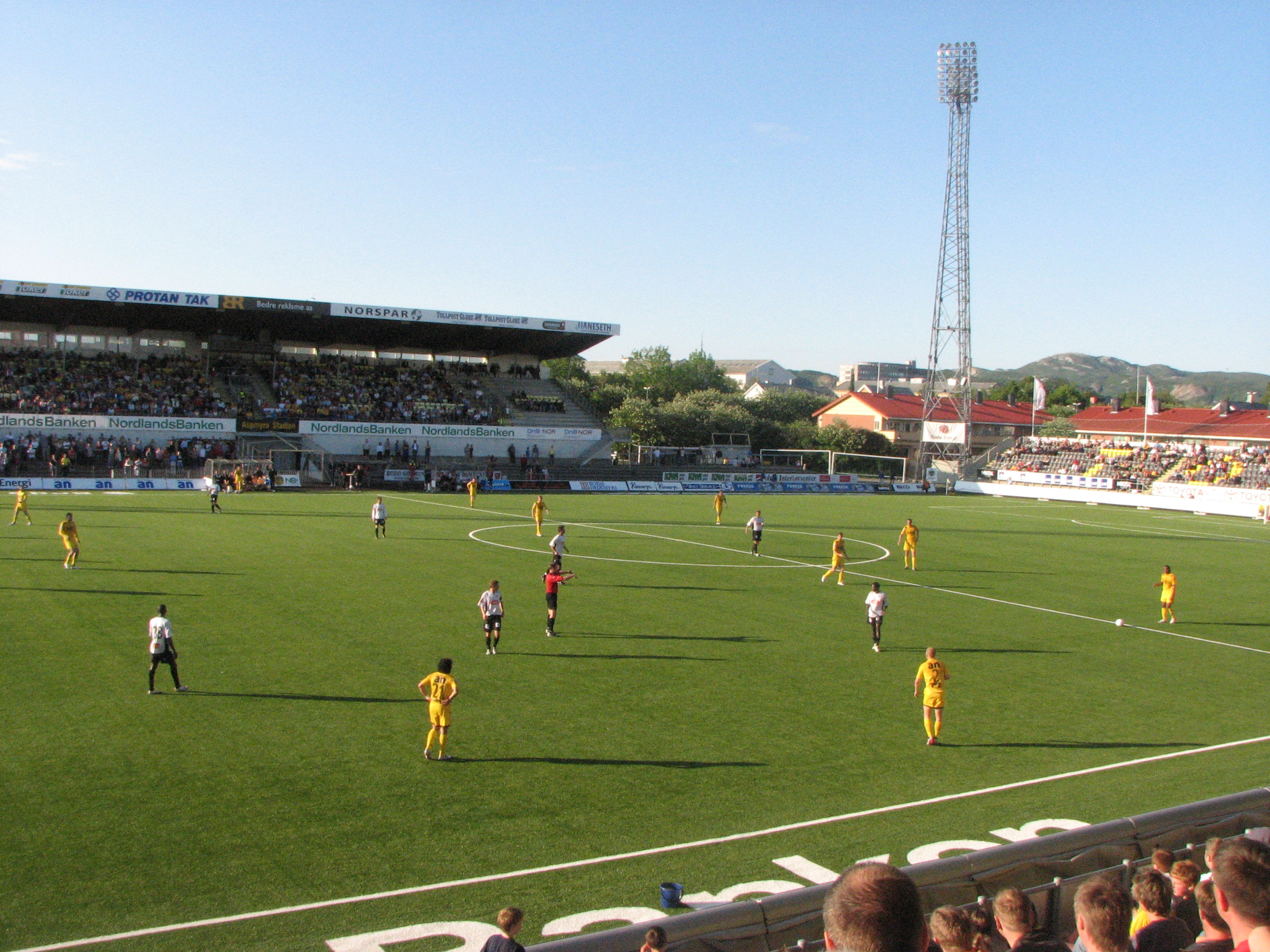
Bodo, Norway, sits above the Arctic Circle — a city of 55,000 people where the sun doesn’t set for six weeks in summer and barely rises for two months in winter. It is the least likely home of a Champions League team in European football, and yet Bodo/Glimt have made Aspmyra Stadion into one of the continent’s most improbable fortresses. For away supporters making the journey north, this is not a football trip in the conventional sense. It is an expedition — and one that will leave you with stories that last longer than the result.
The Journey: Getting to the Arctic Circle
The first thing to understand about following your team to Bodo is that getting there is half the experience. Direct flights to Bodo Airport (BOO) operate from Oslo (1.5 hours) and Bergen (2 hours), with connections available from most major European hubs through Gardermoen. From the UK, budget approximately five to seven hours of travel time including the Oslo connection. From Central Europe, plan for a full day. The airport is remarkably close to the city center — a 10-minute taxi or a 25-minute walk through Bodo’s compact streets.
Accommodation in Bodo is limited and books up quickly on European matchdays. The Scandic Havet and Radisson Blu are the two main hotels, both within walking distance of Aspmyra. Book at least two months in advance for Champions League fixtures, or consider staying in one of the fishing cabins available on Airbnb for a truly Nordic experience. The midnight sun during summer qualifiers means post-match analysis can continue well past 2 a.m. in broad daylight — a disorienting and wonderful feature for visitors from further south.
Aspmyra Stadion: Small But Mighty
Aspmyra Stadion holds 8,270 spectators, making it one of the smallest venues to host Champions League football. The stadium’s defining feature — beyond its size — is its artificial pitch, a necessity in a climate where natural grass cannot survive the Arctic winter. The 3G surface is FIFA-certified and plays faster than natural turf, which gives Bodo’s quick-passing style a home advantage that visiting teams often struggle to adjust to. The ball moves differently, the bounce is lower, and the speed of play is noticeably quicker than on a traditional grass surface.
The away section at Aspmyra is modest — typically 300 to 500 tickets — and located in an uncovered corner of the stadium. Bring layers. Even in July and August, temperatures can drop to single digits Celsius once the sun dips, and Bodo’s coastal location means wind and rain are always possibilities. The club provides basic concessions selling hot dogs and coffee, which will be essential for keeping warm. The view of the surrounding mountains and fjord behind the open stands compensates for any discomfort — Aspmyra might be the only Champions League stadium where the scenery competes with the football for your attention.
The Yellow Horde: Bodo’s Unique Fan Culture
Bodo/Glimt’s rise from Norwegian second-division obscurity to Champions League participants is one of European football’s great modern stories, and the supporters who pack Aspmyra treat every European night as a celebration of how far the club has come. The atmosphere is loud but overwhelmingly positive — this is not a hostile environment in the traditional sense, but a deeply proud one. The “Yellow Horde” who travel across Norway for away matches bring the same energy to home fixtures, and visiting supporters are generally welcomed with curiosity and goodwill.
Pre-match in Bodo is modest compared to the sprawling pub crawls of larger European cities. The area around the harbor offers a handful of bars and restaurants — Bryggerikaia is a local favorite for seafood, and Hundholmen Brygghus serves craft beer in a converted boathouse. The walk from the city center to Aspmyra takes about 20 minutes along the waterfront. There will be seagulls. There will be wind. And if you’re lucky, there will be a match that reminds you why football in unlikely places is always better than football where it’s expected.
Bodo/Glimt’s story resonates because it is improbable. A club from a town of 55,000 people above the Arctic Circle, playing Champions League football in a stadium that holds less than 9,000 — this is football at its most essential. The artificial pitch and the Arctic wind are part of the appeal. Away supporters who make the journey north leave with more than a match report. They leave with an understanding of why football matters in places where nobody expects it to.
Sources: FK Bodo/Glimt, Visit Bodo